The Future of Product Storytelling: From Static Videos to Interactive Demo Experiences
 George Apostolov
- 03 Nov 2025
Great product storytelling has always been the foundation of effective sales, marketing, and customer conversations. Beyond showcasing features, the best teams craft narratives that bridge the gap between what their product does and what buyers actually need.
However, as go-to-market (GTM) teams have embraced digital-first strategies, the storytelling medium hasn't kept pace with these changes. While we've moved from in-person demos to screen recordings, and from live walkthroughs to pre-recorded videos, many organizations are still stuck using static, one-directional content that fails to meet modern buyer expectations.
Today's buyers want something different — they want to experience your product story on their terms, at their own pace, and in ways that make them feel actively engaged rather than passively informed.
The Limitations of Static Content in Modern Sales
For years, "show, don't tell" meant pressing play on a video. Product videos, webinars, and screen recordings were game-changers because they allowed GTM teams to scale demo experiences beyond live meetings, reaching more prospects and customers than ever before.
But times have changed. Those same tools now feel outdated — they're static, can't adapt to different audiences or buying stages, and don't invite participation or self-guided exploration that aligns with individual buyer needs.
Perhaps most frustrating, they leave no data trail. Once you share a static video, you lose all visibility into what happens next. Did the buyer finish watching? Did they skip to the end? Did they even open it? You're left guessing whether your storytelling efforts actually connected.
The result? Teams invest hours creating content that might never actually tell the story you intended.
What Modern Buyers Actually Want
Contemporary buyers don't want to sit through generic, one-size-fits-all presentations. They demand relevance, immediacy, and control. They want to explore on their own terms rather than being lectured to.
Buying committees are also more distributed and asynchronous than ever. Decision-makers span multiple time zones, departments, and preferences. The era of walking a single conference room full of stakeholders through a live pitch is largely behind us.
Instead, sales and marketing teams must meet buyers where they are: online, in motion, and ready to engage only if the experience feels worth their time. That means storytelling must evolve from pressing play to encouraging genuine participation.
Why Static Content Falls Short
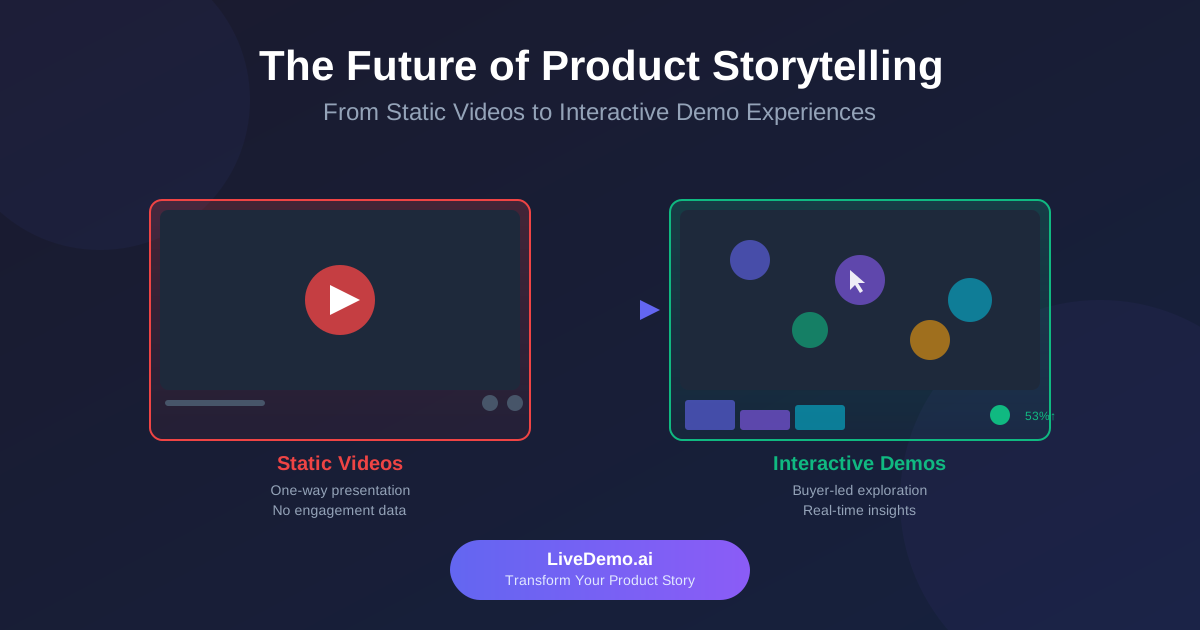
Static videos, PDFs, and slide decks work when you're broadcasting a message, but they fail when you're trying to spark a conversation.
They can't adapt to individual viewers, collect real-time feedback, generate actionable insights, or show engagement patterns as buyers interact with your content.
Most importantly, static content fails to capture the emotional connection that comes from interaction — the kind that happens when a buyer clicks through, explores, and discovers for themselves what makes your product valuable.
The data supports this: interactive content drives 53% higher engagement than static formats, proving that participation isn't just enjoyable — it's effective.
"People tell stories because it's the fastest way to create an emotional connection. Once you've made that connection, you've already won half the battle. The purpose of a product story is to build an emotional bridge between the person who will use the product and the product itself. When someone starts to see themselves in the story — when they can visualize it, imagine being part of it — that's when the magic happens." - Industry expert
The Shift Toward Interactive Storytelling
We're witnessing a storytelling transformation that mirrors what's already happened in entertainment, education, and journalism. Rather than just consuming information, today's buyers want to engage with it.
Just as digital-first journalism reshaped how readers experience news, interactive demos are reshaping how GTM teams tell their product stories. They combine the narrative power of a walkthrough with the flexibility and feedback loops of modern digital experiences.
Interactive demos turn your story from a recording into a workspace — something buyers can explore, share, and respond to. According to industry data, users who engage with an interactive product tour are 80% more likely to take multiple activation steps compared to static experiences.
You gain visibility into what actually connects with buyers as they explore at their own pace. The experience feels less like being talked at and more like being invited in, giving your product room to speak for itself.
Storytelling as a Shared GTM Experience
With LiveDemo.ai, your product story can evolve into an interactive experience that adapts to every audience and use case.
A sales leader sends a tailored walkthrough to a prospect, who adds comments and shares it with their team. A product marketer embeds an interactive story on the website that lets visitors explore key features hands-on. A customer success manager uses the same format to onboard new customers efficiently, with built-in guidance and feedback loops.
It's storytelling built to scale without losing the human touch, so each experience feels personal even when shared across different departments, business units, or global markets. It also delivers valuable, actionable insight back to your business, with every interaction becoming a data point that shows what buyers truly care about.
Why LiveDemo.ai Stands Out
LiveDemo.ai makes interactive storytelling accessible to teams of all sizes. Unlike platforms that lock essential features behind expensive tiers or charge per-seat fees that scale out of control, LiveDemo.ai offers transparent pricing with unlimited demos on all plans.
Key advantages:
- Unlimited demos: Create as many interactive experiences as you need without worrying about per-demo charges
- Simple pricing: Our Business plan at $27/month provides full access — no hidden tiers or surprise add-ons
- Easy creation: Build your first interactive demo in under 30 minutes, no technical expertise required
- Real engagement data: See exactly how buyers interact with your demos — what they clicked, skipped, or replayed
- Flexible sharing: Share demos via link, embed on your website, or send directly to prospects
- Team collaboration: Multiple team members can create and manage demos without per-seat charges
The Future of Product Storytelling
While static videos will always have their place, they can't keep up with how today's buyers think, evaluate, and decide. The organizations winning attention, pipeline, and deals are turning their demos into dynamic, data-rich, and collaborative experiences that make product stories impossible to forget.
When your buyers can interact with your product firsthand, they don't just remember what you showed them — they remember how it felt to explore it themselves. That's the kind of story that seals the deal.
In summary: The next era of product storytelling belongs to interactive experiences that let buyers explore solutions on their terms while giving GTM teams visibility into what truly connects.
Frequently Asked Questions
1. What is interactive product storytelling?
Interactive product storytelling transforms traditional demos into hands-on experiences. Instead of passively watching a static video, buyers can explore the product themselves — clicking through key features, following guided narratives, and discovering value at their own pace.
2. What are GTM teams?
GTM (Go-to-Market) teams are cross-functional groups that bring a product to market and drive growth — typically including marketing, sales, product, and customer success. They collaborate to attract, convert, and retain customers by aligning storytelling, messaging, and experience across the buyer journey.
3. Why are static videos and slide decks no longer enough?
Static content can't adapt to different audiences or capture engagement data. Once you hit play, you lose visibility into what resonated. Modern buyers expect dynamic, personalized, and measurable experiences that invite participation, not passive viewing.
4. How do interactive demos improve the buyer experience?
Interactive demos give buyers control and context. They let users navigate the product based on their priorities, share it with teammates, and provide feedback — all of which create a more engaging and confidence-building buying experience.
5. What benefits do GTM teams get from interactive demos?
Sales and marketing teams gain insight into how buyers engage — what they clicked, skipped, or replayed. Those engagement signals help tailor follow-ups, refine messaging, and convert interest into revenue more efficiently.
6. How quickly can my team get started with LiveDemo.ai?
Most users create their first interactive demo within 30 minutes of signing up. No technical background required. Start with our free plan to explore the platform, then upgrade to Business for unlimited demos at just $27/month.
Ready to Transform Your Product Storytelling?
If you're ready to see how forward-thinking GTM teams are turning demos into interactive product stories, get started with LiveDemo.ai today.
Create unlimited interactive demos without worrying about per-seat charges or expensive add-ons. Give your buyers the engaging, self-guided experience they expect while gaining valuable insights into what truly connects.
Try LiveDemo.ai Free →
No credit card required. Set up your first demo in under 10 minutes.