How to Turn On Usage Metrics in Power BI
- George Apostolov
How to Turn On Usage Metrics in Power BI: step-by-step guide
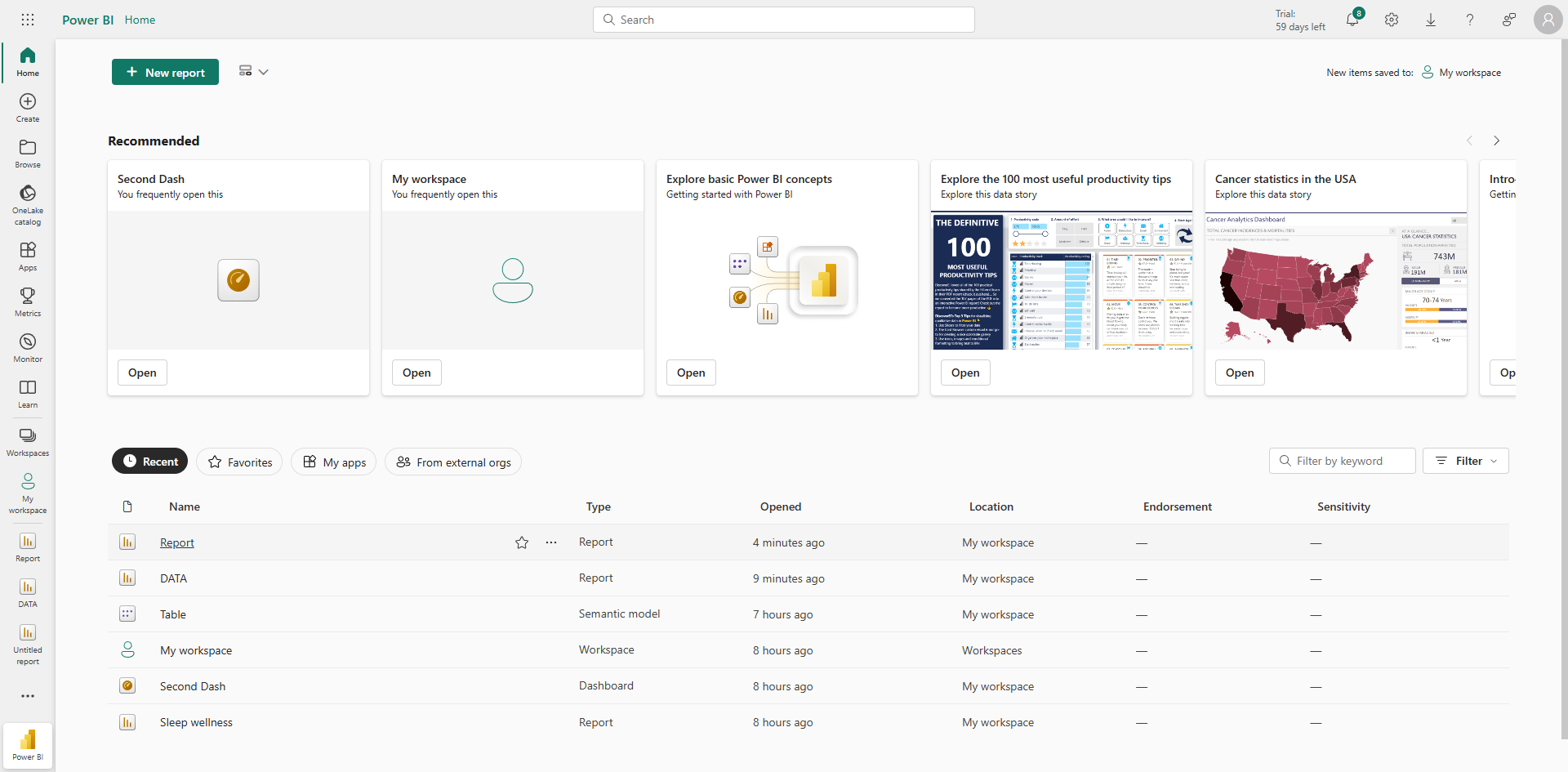
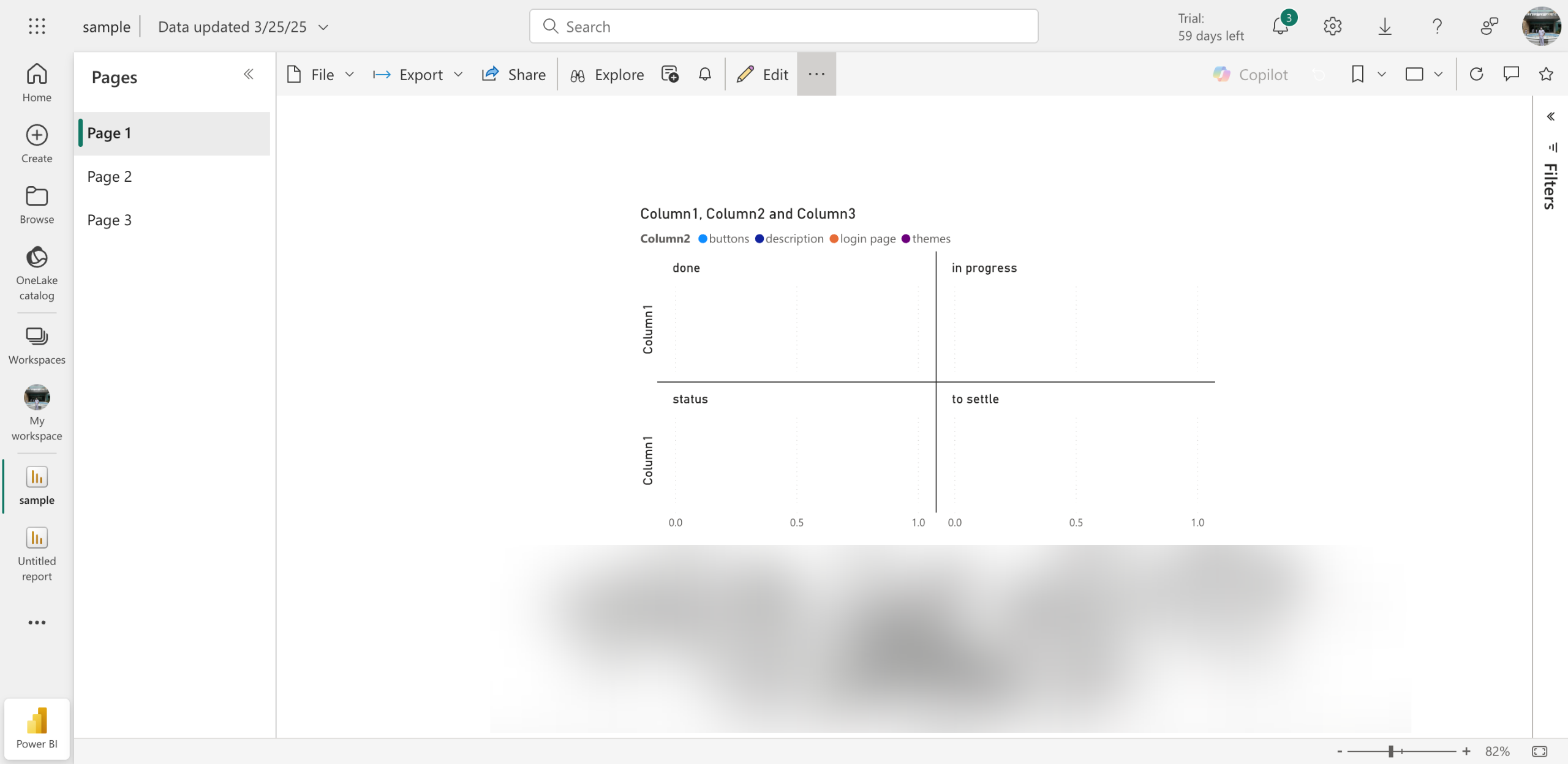
Navigate to the top menu bar, then click the 'More Options' button.
Select 'Open Usage Metrics' from the list of options.
After completing these steps, the usage metrics will be enabled instantly. You can now view the report generated from the available data.
Quick answer: To turn on usage metrics in Power BI, navigate to the top menu bar, click the 'More Options' button, and select 'Open Usage Metrics' from the list of options to enable the metrics instantly and view the generated report.
About this Power BI tutorial
Enable usage metrics in Power BI by opening the More Options menu and selecting Open Usage Metrics to instantly view your report data. This guide shows how to turn On Usage Metrics in Power BI in 3 steps, starting with "Navigate to the top menu bar, then click the 'More Options' button" and finishing with "After completing these steps, the usage metrics will be enabled instantly. You can now...". The interactive demo above is a click-through copy of the real Power BI interface, so you can rehearse each step before doing it in your own account.
Frequently asked questions
How many steps does it take to turn On Usage Metrics in Power BI?
3 steps. Each one is listed in order above, and the demo highlights exactly where to click.
Can I try it without changing my own account?
Yes. Clicking through the demo doesn't touch your Power BI data or settings. Once you know the flow, repeat it in your own workspace.
This tutorial is filed under Power BI. Related guides: How to Undo Power BI, How to Uninstall Power BI and How to Update Power BI. Last reviewed 05 Oct 2026.

Create your first interactive demo in minutes
No credit card required • Start building today