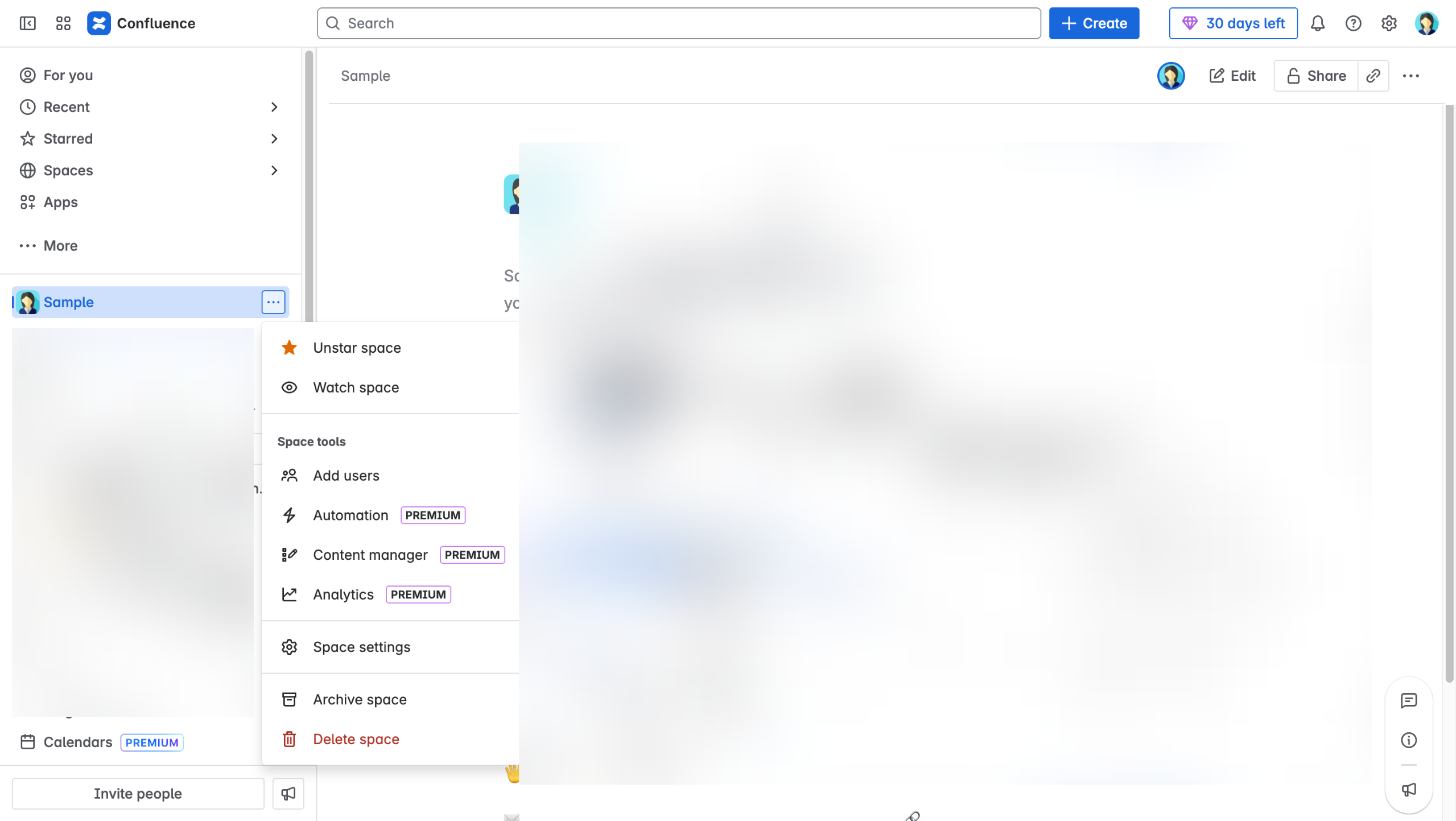
How to Make Chatgpt Sound Human
- George Apostolov
How to Make Chatgpt Sound Human: step-by-step guide
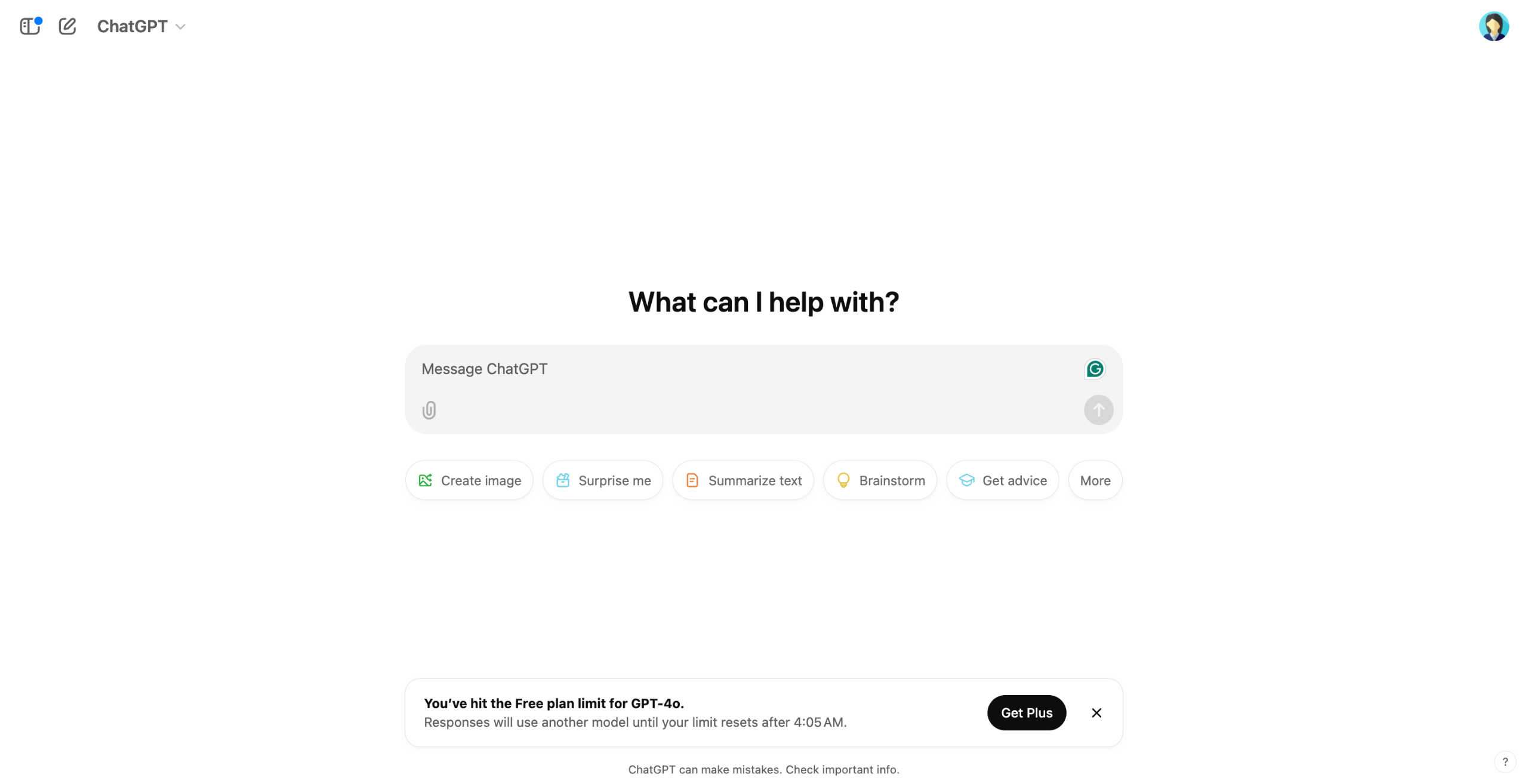
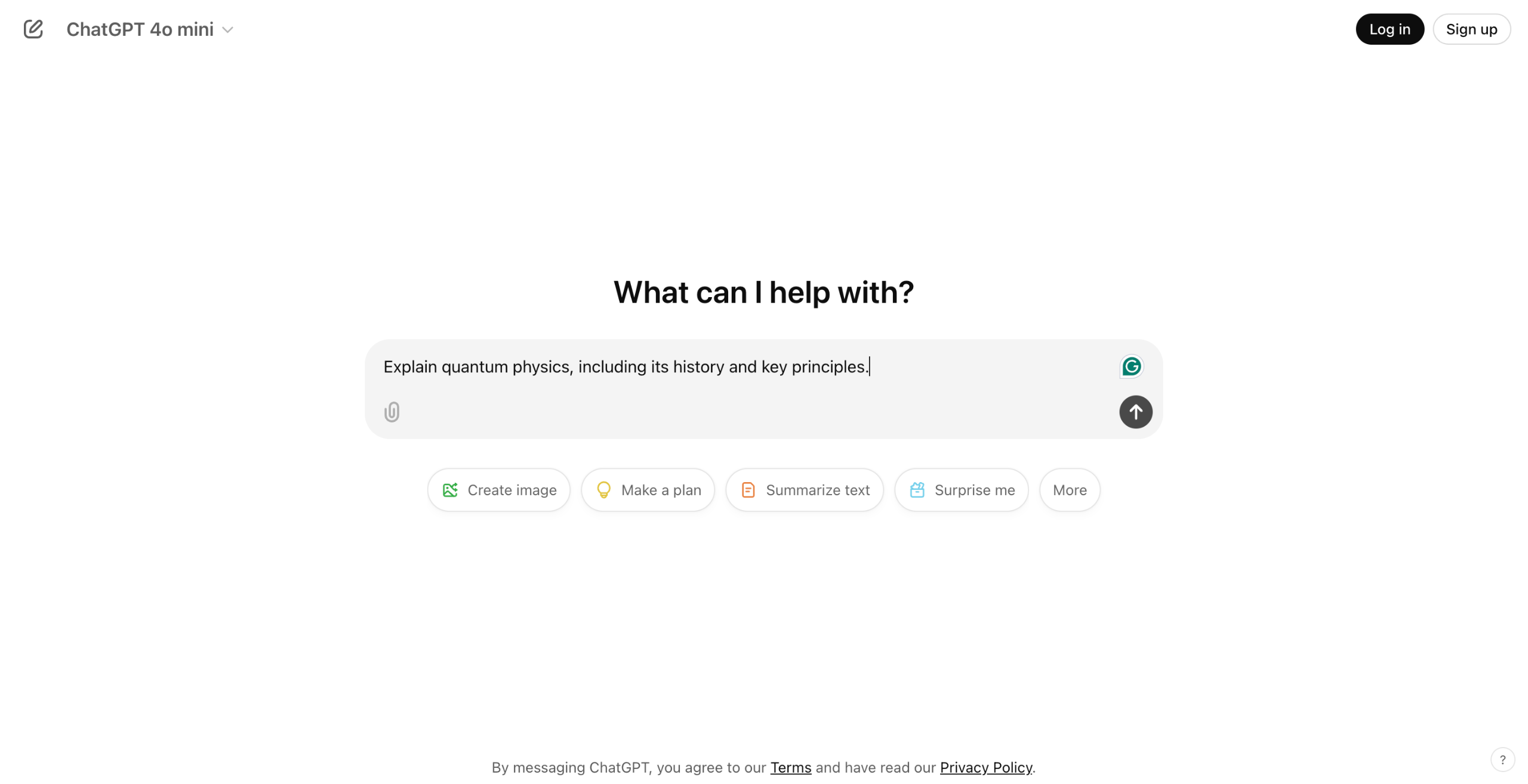
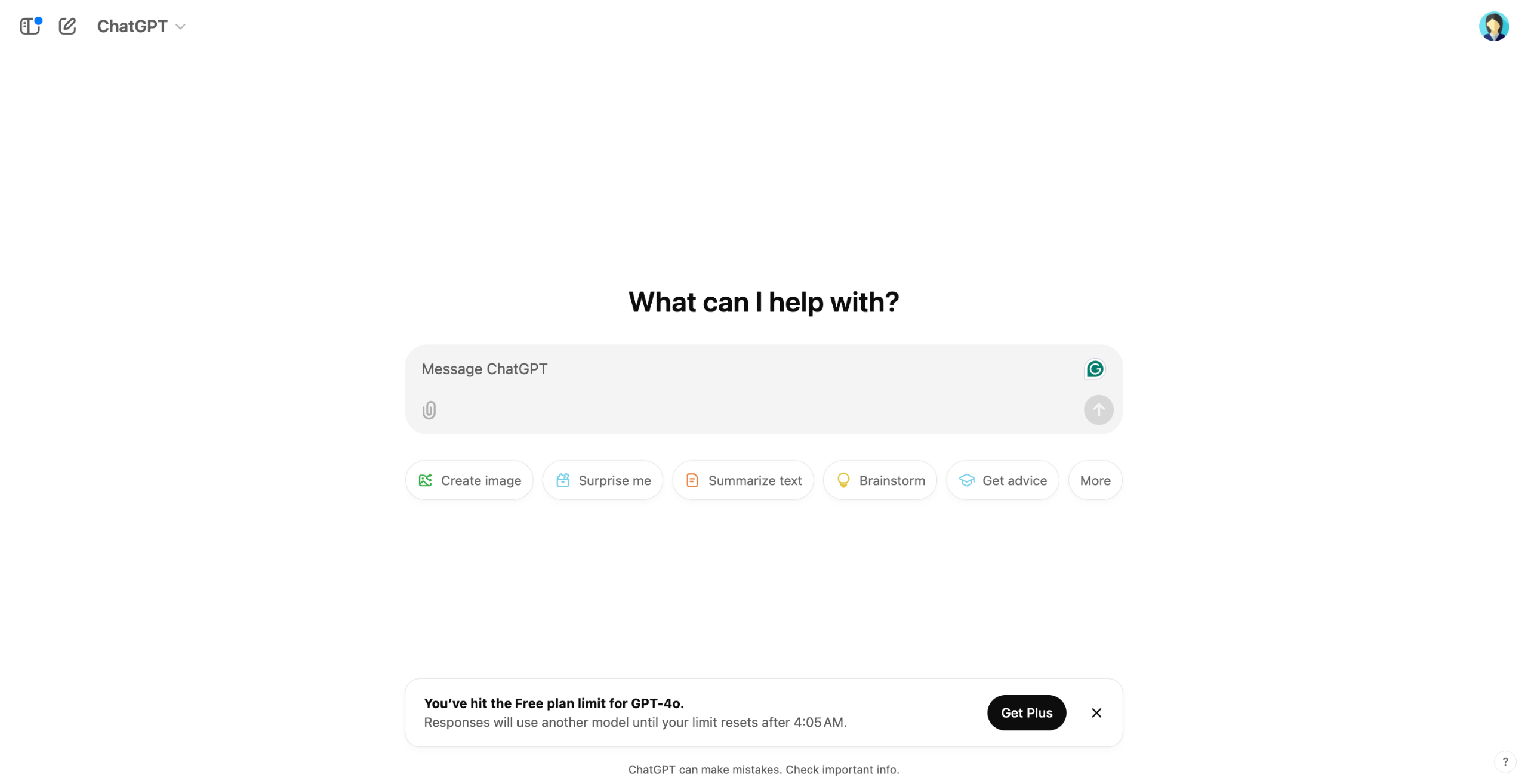
Access ChatGPT and open a new chat.
Use prompts that specify an informal or conversational style.
Provide a role or perspective for ChatGPT to emulate.
Ask for relatable stories or examples to make the response more engaging.
Specify the use of contractions, casual expressions, or even small hesitations.
Ask for a personal take or emotional touch in the response.
Quick answer: To make ChatGPT sound human using ChatGPT, access the platform and open a new chat. Use prompts specifying an informal style, provide a role to emulate, and ask for relatable stories or examples. Finally, specify contractions, casual expressions, and a personal or emotional touch.
About this tutorial
Make the app sound more human by using informal prompts, roleplay, relatable stories, and casual expressions for engaging responses. This guide shows how to make Chatgpt Sound Human in 6 steps, starting with "Access ChatGPT and open a new chat" and finishing with "Ask for a personal take or emotional touch in the response". The interactive demo above is a click-through copy of the real product interface, so you can rehearse each step before doing it in your own account.
Frequently asked questions
How many steps does it take to make Chatgpt Sound Human?
6 steps. Each one is listed in order above, and the demo highlights exactly where to click.
Can I try it without changing my own account?
Yes. Clicking through the demo doesn't touch your data or settings. Once you know the flow, repeat it in your own workspace.

Create your first interactive demo in minutes
No credit card required • Start building today