How to Create a Case Study Question Generator GPT
- George Apostolov
How to Create a Case Study Question Generator GPT: step-by-step guide
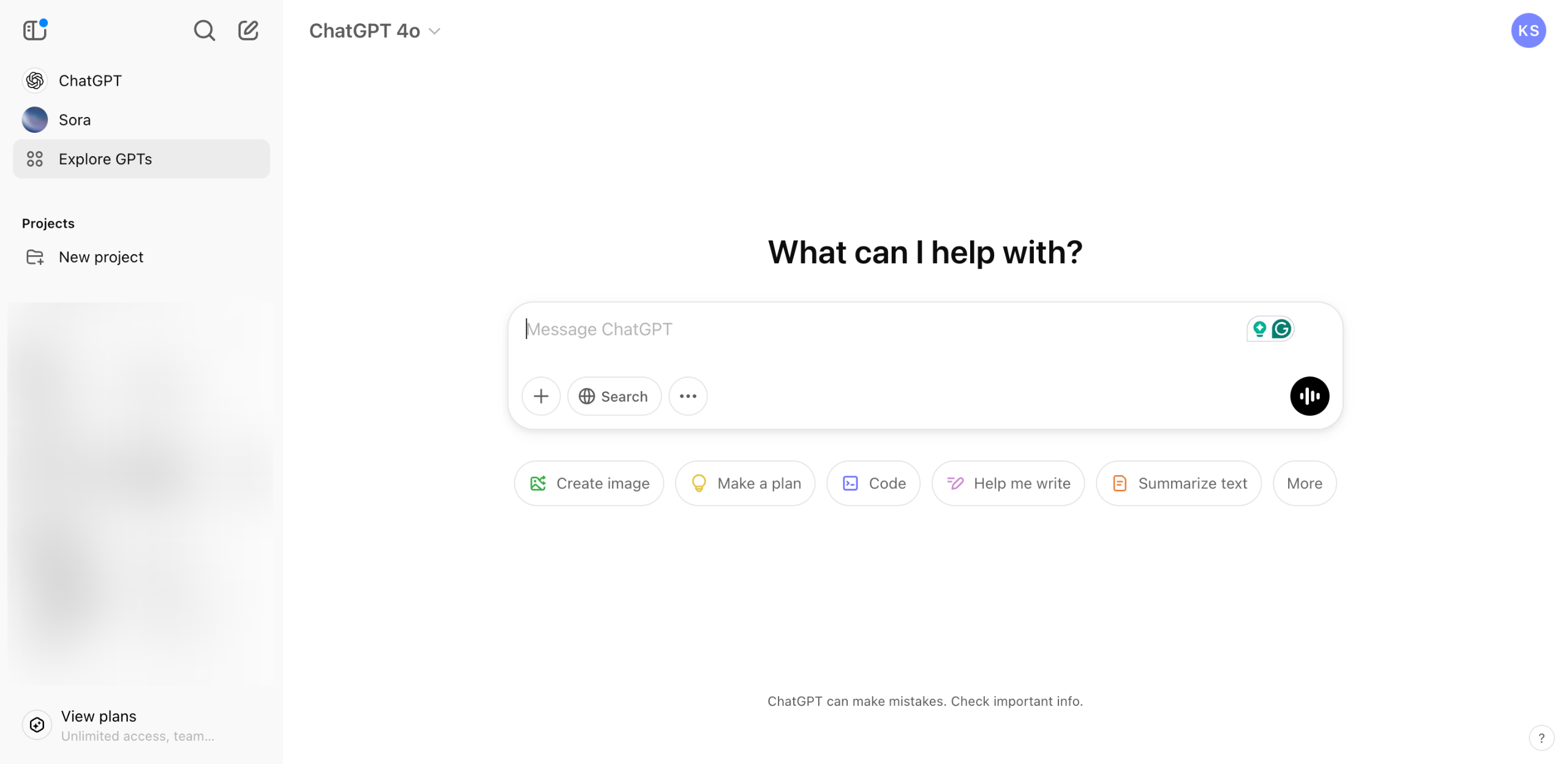
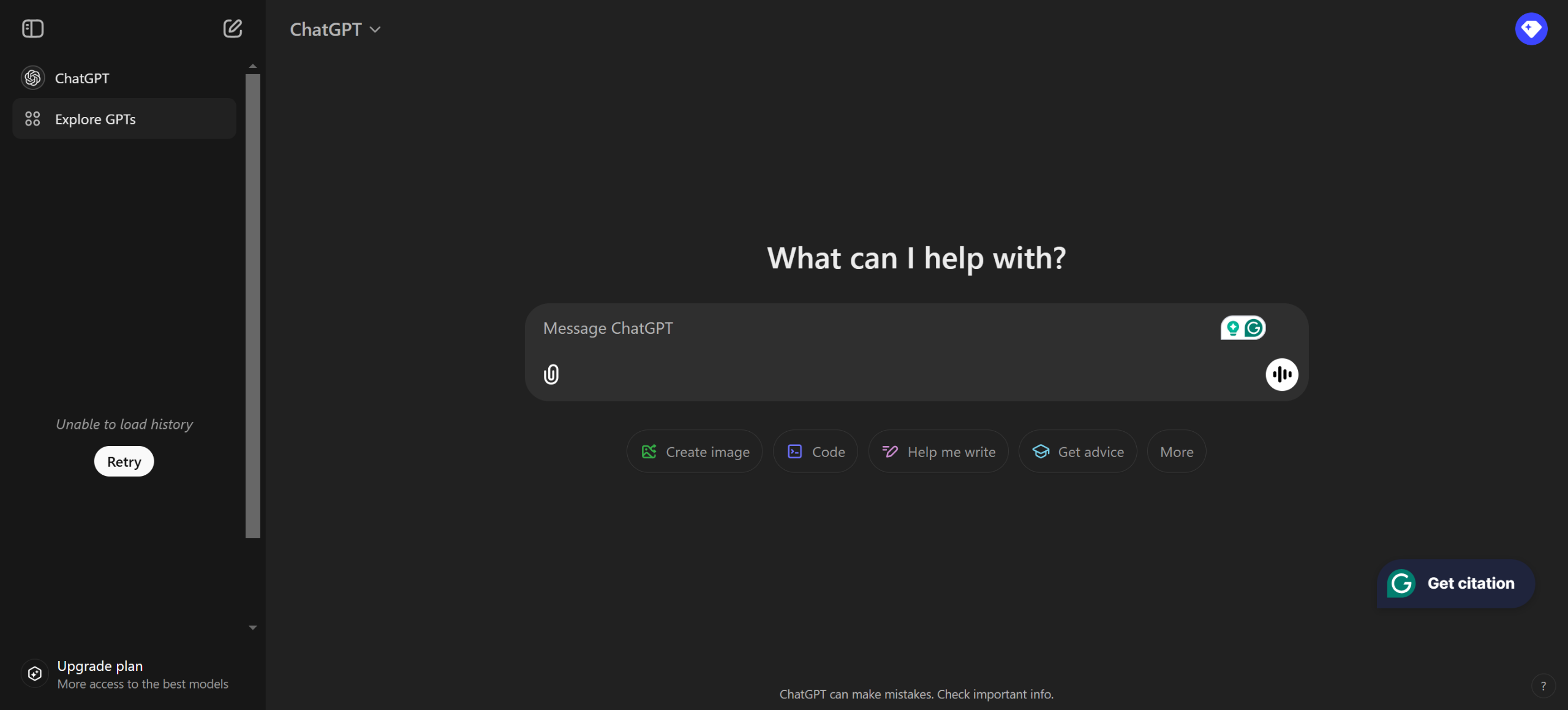
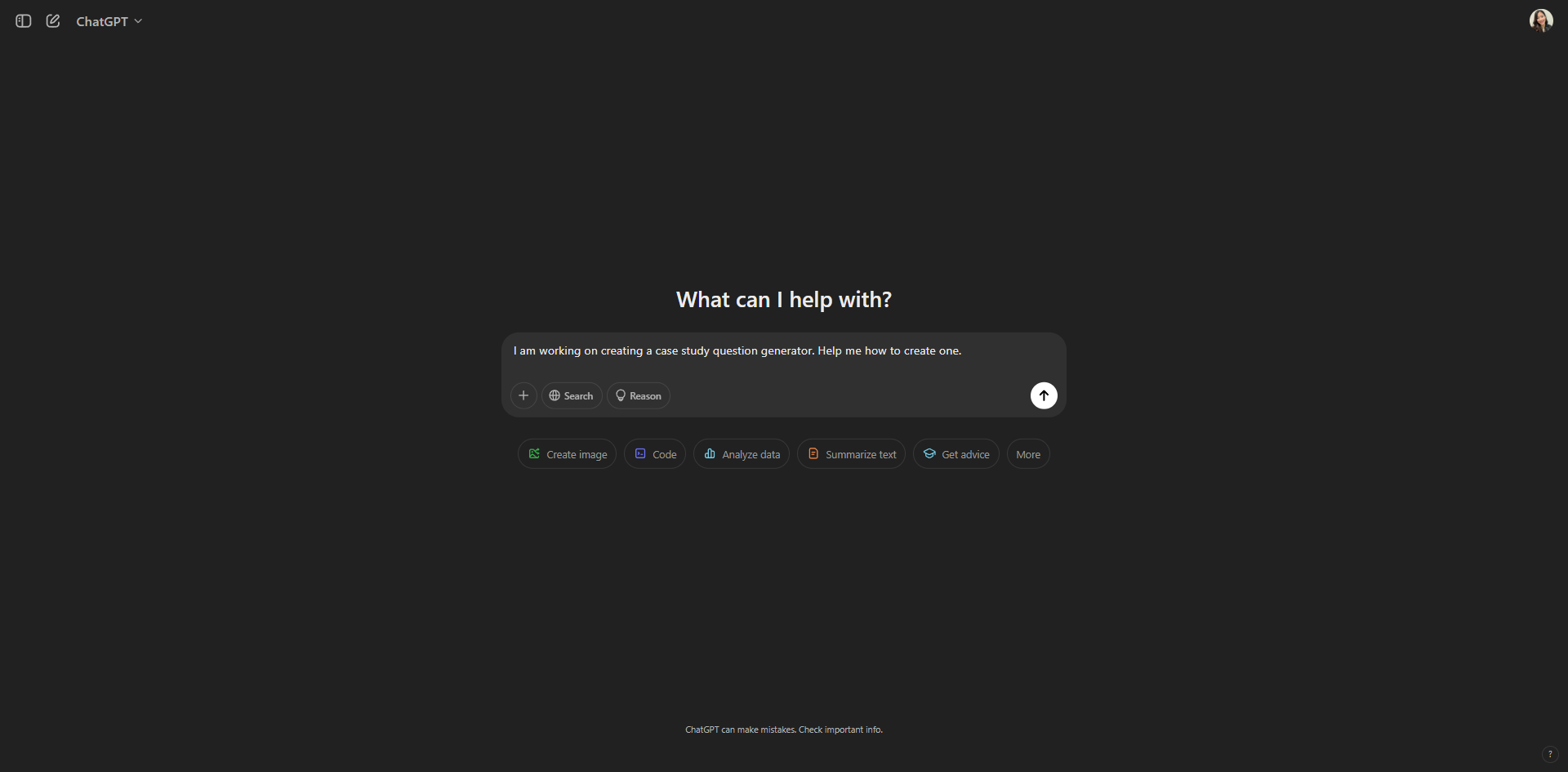
On ChatGPT's main interface, click the empty field and type in your prompt.
Click the arrow icon to submit and ChatGPT will process the information and generate a text based on your requirements.
ChatGPT instantly generates results based on the text prompt.
After reviewing the output, click on the copy option to share.
Quick answer: To create a case study question generator using ChatGPT, click the empty field on the main interface to type your prompt, click the arrow icon to submit for processing, review the instantly generated results, and click the copy option to share.
About this tutorial
Generate custom case study questions instantly using the app by entering your prompt, submitting, and copying the result. This guide shows how to create a Case Study Question Generator GPT in 4 steps, starting with "On ChatGPT's main interface, click the empty field and type in your prompt" and finishing with "After reviewing the output, click on the copy option to share". The interactive demo above is a click-through copy of the real product interface, so you can rehearse each step before doing it in your own account.
Frequently asked questions
How many steps does it take to create a Case Study Question Generator GPT?
4 steps. Each one is listed in order above, and the demo highlights exactly where to click.
Can I try it without changing my own account?
Yes. Clicking through the demo doesn't touch your data or settings. Once you know the flow, repeat it in your own workspace.

Create your first interactive demo in minutes
No credit card required • Start building today